How to Serve Hot Dogs at a Crowd-Pleasing BBQ
A great backyard barbecue does not need to be complicated to feel generous. In fact, some of the most memorable cookouts I have seen were built around one humble centerpiece: the hot dog. Done casually, it can feel like an afterthought. Done well, it becomes the kind of meal people hover around, customize with enthusiasm, and talk about long after the grill cools down.
Serving hot dogs to a crowd sounds simple until the practical questions show up. How many should you buy? What keeps the buns from drying out? How do you keep the first batch hot without turning it leathery? What do you serve alongside them so the table looks abundant rather than skimpy? These details matter, especially when you are feeding a mix of adults, kids, picky eaters, and serious condiment people.
The good news is that hot dogs are one of the most forgiving, budget-friendly, and crowd-pleasing foods you can put on a grill. They cook quickly, they scale easily, and they give guests choices without demanding restaurant-level prep. The trick is not finding a fancy recipe. The trick is building a service plan that keeps the food hot, the line moving, and the host out of a panic.
Start with the kind of gathering you are actually hosting
Before you buy a single pack, decide what kind of barbecue this is. A child’s birthday party at 1 p.m. On a Saturday needs a different approach than a neighborhood cookout that drifts from late afternoon into evening. If guests are arriving in waves, you want a setup that can hold quality over time. If everyone will eat at once, you can focus on one strong push from grill to table.
This distinction affects almost everything. For a shorter event, you can grill in larger batches and send food out fast. For a looser, all-day hangout, it usually makes more sense to stage your cooking, keep backup dogs ready to grill, and refresh toppings periodically so nothing looks tired. It also changes portion planning. A lunchtime crowd with kids may average one to two hot dogs per person. A longer event, especially if beer, chips, and games are involved, can easily push some adults to two or three.
I have found that many hosts underestimate how much the context shapes appetite. A crowd that swims, plays lawn games, and lingers outdoors will eat more than a crowd sitting in shade making small talk. If you plan for the first scenario while buying for the second, you end up with a cooler full of extras and an awkward amount of leftover buns.
Choosing the right hot dogs
The best hot dog for a crowd is not necessarily the most gourmet one in the case. It is the one that cooks evenly, tastes good in a bun with condiments, and appeals to the broadest part of your guest list. For most barbecues, all-beef dogs are the safest bet. They bring good flavor, hold up well on the grill, and satisfy most people who care what they are eating. If your audience includes families with young children, milder classic franks often disappear fastest.
Bigger is not always better. Jumbo dogs sound festive, but they can be harder to cook through evenly when you are moving quickly, and they throw off bun matching if you are not careful. Standard-size hot dogs are easier to manage and friendlier for guests who want one now and maybe another later. Bun-length franks make service neater, though I would not go out of my way for them if your store selection is limited.
Texture matters as much as flavor. Some hot dogs have a firm snap, while others are soft and smooth. Both have their fans. For a mixed crowd, a middle-ground dog with enough bite to feel substantial usually performs best. At a backyard barbecue, few things disappoint faster than a hot dog that looks nicely charred but eats like mush.
If you expect dietary restrictions, include one alternative rather than several. A decent plant-based dog or a quality turkey dog can help non-pork or non-beef eaters feel included without overcomplicating the menu. The mistake many hosts make is buying too many specialty packs and ending up short on the standard choice everyone else wants. Keep the balance sensible.
How many to buy without guessing
Crowd cooking gets easier when you stop thinking in exact servings and start thinking in ranges. Hot dogs are one of those foods where people’s behavior is unpredictable. One person eats half. Another comes back for three. Teenagers often outpace adults. Children sometimes insist on a bun only, then later circle back for the actual dog.
A practical buying guide looks like this:
- For a meal with several sides, plan on 1.5 hot dogs per adult and 1 per child.
- For a longer BBQ where hot dogs are the main attraction, plan on 2 per adult and 1 to 1.5 per child.
- Buy about 10 to 15 percent extra if your crowd includes teens, big eaters, or late-arriving guests.
- Match buns as closely as possible, but expect the classic mismatch and buy one extra package of buns.
- If you are serving another protein, such as burgers or chicken, you can safely scale the hot dog count down.
For a crowd of 30, that often means buying somewhere between 45 and 60 hot dogs, depending on the rest of the menu. If that range feels high, remember that extras are usually easy to use the next day. Running out in the first hour is much harder to recover from.
Buns deserve more respect than they get
People remember a bad bun almost as clearly as a bad hot dog. A stale, dry, or crumbly bun drags down the whole experience. Soft supermarket buns are perfectly fine for a casual BBQ, but they benefit from a little handling. Keep them sealed until close to service so they do not dry out in the heat. If you want to elevate them, warm them briefly on the grill edges or in foil packs. Ten to twenty seconds is usually enough. Too much longer, and they go brittle.
Steamed buns have their own appeal, especially if you like a softer bite. You can achieve a similar effect by wrapping a stack of buns in foil with a barely damp paper towel nearby, then setting them on a cooler part of the grill for a few minutes. The goal is warmth and tenderness, not sogginess.
Do not leave the buns in direct sun. This sounds obvious, but it happens constantly at summer cookouts. Sunlight plus open packaging dries bread fast. If you have a shaded table or a covered basket, use it.
Grilling for flavor, not just speed
Hot dogs are fully cooked when you buy them, which means the grill is there to improve texture and flavor rather than to perform a technical rescue. That changes how you should cook them. High heat can split them dramatically, scorch the outside, and leave you with a shriveled dog before the buns are even out. Moderate heat gives you more control.
I prefer a grill setup with two zones, one medium-hot area for color and one cooler area for holding or gentle finishing. Start the hot dogs on the hotter side long enough to pick up grill marks and a little blistering. Then move them to the cooler side if the buns or toppings are not ready yet. This simple step saves you from the all-too-common cycle of overcooking the first batch while waiting for the crowd to gather.
Turning them often helps. Unlike thick sausages, hot dogs reward attention. A quarter turn every minute or so gives you even browning and reduces splitting. If a few do split, that is not a disaster. Some guests love that curled, charred style. The issue is when every dog bursts before service and starts drying out.
Char level is personal. Some people want deep blistering and crisp edges, others prefer a gently heated hot dog with only light marks. For a crowd, aim for the middle. You can always leave a few on longer for the people who like a more pronounced grill taste.
Keeping hot dogs hot without ruining them
This is where many large cookouts stumble. The first batch comes off beautifully, then sits in a tray until it turns wrinkled and lukewarm. Holding food well is one of the least glamorous parts of barbecue, but it separates a polished host from a stressed one.
A covered disposable pan works well if you line it with a small amount of liquid, just enough to create gentle humidity rather than a simmer. A splash of water works. A little beer with sliced onions is popular and smells great, though not everyone wants that flavor and it is less ideal if kids are the main audience. The hot dogs should sit above any puddling if possible, not bathe in it. You are keeping them warm, not boiling them after grilling.
If you have a slow cooker, it can be useful for holding, especially indoors or on a buffet line. The setting should be low or warm, and the dogs should not stay in there for hours. The texture inevitably softens. Think of it as a bridge between grill and guest, not a long-term parking spot.
The best strategy is still batch cooking. Grill enough for the first rush, hold a modest reserve, then refill regularly. Fresh-looking food disappears faster, and you avoid that sad tray effect where the last few hot dogs look as if they have been waiting since noon.
Toppings are where the barbecue gets its personality
A plain hot dog with mustard has its place, but a crowd-pleasing BBQ benefits from a topping table that feels generous without becoming chaotic. You do not need twelve options. You need a thoughtful mix of familiar, sharp, creamy, crunchy, and spicy.
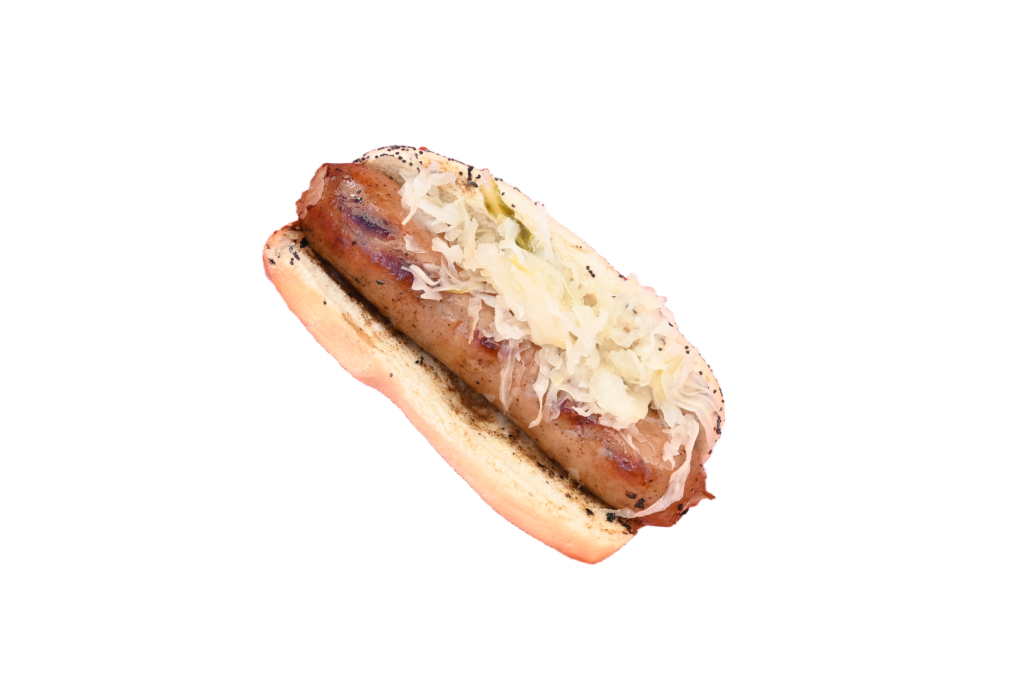
Mustard, ketchup, and relish cover the basics. Diced onions add bite. Sauerkraut gives acidity and balances richer all-beef dogs well. Shredded cheese is messy but popular, especially with children and with anyone building chili dogs. Pickled jalapeños offer heat without requiring extra prep. If you want one house touch, make it something easy and useful, such as a quick slaw or a warm onion topping.
What matters most is maintenance. Refill small bowls often rather than setting out giant containers that heat up and look sloppy. Keep spoons and tongs where they belong. Wipe spills before they spread. A topping station can make the whole BBQ feel abundant, but only if it stays orderly enough for people to use without hesitation.
One of the smartest choices for large groups is to separate messy toppings from the immediate grill exit. Let people grab a hot dog, move down the table, and dress it away from the main cooking zone. This keeps traffic from backing up near the person at the grill, who usually already has enough to think about.
Build the rest of the menu around ease and contrast
Hot dogs are rich, salty, and soft, so the best side dishes either refresh the palate or add crunch. This is not the moment for fussy casseroles or ten-item composed salads. Barbecue food should be easy to serve, easy to replenish, and tolerant of sitting out for a reasonable stretch.
Potato salad, coleslaw, watermelon, baked beans, pasta salad, chips, and corn all make sense, but not all at once. The strongest menus mix temperatures and textures without duplicating heaviness. If you are serving chili dogs, maybe skip the baked beans. If you have a creamy potato salad, a vinegar slaw adds better balance than another mayonnaise-rich side.
Dessert can stay simple. Cookies, brownies, popsicles, or sliced fruit usually fit the tone better than a delicate cake that needs careful slicing while people are still carrying paper plates.
Drinks deserve planning too. When guests can help themselves easily, the host gains enormous breathing room. A cooler with water, sparkling water, soda, and a few adult options goes a long way. Place it away from the grill so people are not crossing the cooking area every five minutes.
The service setup matters more than the recipe
You can serve excellent hot dogs and still create a frustrating experience if the flow is wrong. Think like a caterer for a moment. Guests should move from plates and buns to hot dogs to toppings to napkins, then on to sides https://raymondwyuf210.juniperbrief.com/posts/how-to-grill-hot-dogs-for-a-large-group and drinks. When the order is scrambled, people double back, collide, and crowd the grill.
A strong setup usually follows a simple rhythm:
- Put plates, napkins, and buns at the beginning of the line.
- Place hot dogs next, close enough to the grill for quick refills.
- Arrange condiments and toppings after the hot dogs, from basic to messy.
- Keep sides and drinks on a separate table if space allows.
- Set out trash and recycling where guests can find them without asking.
This sounds minor until you watch 25 people descend on one folding table. Good flow reduces waiting, prevents bottlenecks, and keeps the host from becoming the answer desk for every missing item.
Timing the cookout so you can enjoy it too
The best hosts are not chained to the grill from the first guest arrival until dark. That comes from front-loading your prep. Chop onions early. Portion toppings into bowls before anyone rings the bell. Stack buns in an easy-to-reach spot. Chill drinks well in advance. If you are making chili or a specialty topping, finish it before guests arrive and just keep it warm.
For the actual cooking window, I like to wait until enough people are ready to eat before grilling the first serious batch. There is always pressure to start early because the grill is hot and a few guests are hovering. Resist that if the main rush is still twenty minutes away. Hot dogs cook quickly. You gain more by serving them fresh than by proving you are busy.
If you have another capable adult around, assign one role clearly. One person handles grilling and replenishment. The other watches the line, refills toppings, and directs late arrivals. Shared responsibility works best when it is not vague.
There is also a psychological piece to hot dog service that experienced hosts learn quickly. People relax when they see abundance. A tray with only four remaining hot dogs creates anxiety even if you have three unopened packs ready to go. Keep enough visible food out front to reassure the crowd, and restock before the tray looks bare.
Small details that make the meal feel polished
A crowd remembers warmth and ease more than novelty. If the hot dogs are hot, the buns are soft, and the condiments are cold and tidy, most of your work is done. Still, a few details quietly improve the experience.
Use sturdy tongs for both the grill and the serving tray. Flimsy utensils slow everything down. Put out more napkins than you think you need, especially if chili, slaw, or onions are involved. Keep one damp towel nearby for the host and a roll of paper towels nearby for everyone else. If the weather is hot, shade the food table whenever possible. Condiments last longer, and guests linger more comfortably.
For children, consider offering a few hot dogs cut in half once they are off the grill. It makes portioning easier and helps parents who are juggling drinks, paper plates, and impatient kids. For adults, having one bolder topping, such as spicy mustard or pickled peppers, gives the table a little depth without making the menu feel precious.
If you want the spread to feel a touch more intentional, label any less obvious toppings. Guests are more likely to try sauerkraut, slaw, or chili if they do not have to lean in and guess what is in the bowl.
Handling leftovers without waste
One reason hot dogs remain such a smart party food is that leftovers are rarely a burden. Uncooked packs can stay refrigerated according to package guidance and be used for another meal. Grilled extras reheat well in a skillet, on a grill pan, or even sliced into beans, mac and cheese, or fried rice. Buns can become garlic bread, breadcrumbs, or breakfast strata if you are the sort of cook who hates waste.
The toppings often have a second life too. Extra onions go into omelets or salads. Leftover chili becomes lunch. Sauerkraut can go with sausages another day. Because the meal is modular, very little has to be thrown out unless it sat in the sun too long.
Food safety still matters, of course. Anything highly perishable that has been sitting in summer heat for too long should not be pushed. The convenience of hot dogs is not worth gambling on potato salad that has spent the afternoon at 85 degrees.
Why hot dogs still work so well for a crowd
There is a reason the hot dog has survived every food trend that tried to outclass it. It is democratic. It suits children, grandparents, picky eaters, and guests who want to build something messy and over-the-top. It can be inexpensive without feeling cheap. It can also be upgraded, if that is your style, with better buns, better toppings, and a cleaner service plan.
Most of all, it frees the host to focus on hospitality rather than culinary theater. A crowd-pleasing BBQ is not really about showing off. It is about creating a relaxed, abundant meal that lets people settle in, eat what they like, and go back for another round if they feel like it. When the hot dogs are grilled with care and served with a little thought, that easy pleasure is exactly what happens.
A good barbecue often looks effortless from the outside. Underneath, it runs on timing, restraint, and a handful of practical decisions made well. Buy enough. Keep the buns soft. Grill in batches. Set up the line so people can serve themselves. Offer toppings with contrast and enough napkins to support ambition. Do those things, and the hot dog stops being a fallback option. It becomes the reason everyone is happy to stay for one more plate.
Under Construction Hot Dogs
1225 W U.S. Hwy 50, Pueblo, CO 81008
FAQ About hot dog
What are different types of hotdogs?
Under Construction Hot Dogs offers a classic all-beef hot dog, a quarter-pound Jumbo Dog, a Chili Dog, and a Chicago Dog, along with brats and a Spicy Link.
What does a chili dog have on it?
Our Chili Dog pairs a Vienna all-beef hot dog with chili, shredded cheddar cheese, and finely diced onions.
What is in a traditional Chicago dog?
Our Chicago Dog comes on a steamed poppy seed bun with yellow mustard, bright green relish, onions, tomato wedges, a pickle spear, sport peppers, and celery salt.